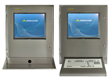
Using Outdoor Screens as Digital Signage for News Feeds

The way people receive news and information is changing. Thanks to the Internet, smartphones, rolling news and other new media, traditional sales of newspapers are on the decline, both nationally and regionally. People no longer want to wait until the next morning to read what’s going on in the world and in their local community. News is now something people want, when they want it, and invariable this often means when they are on the move. Read the rest of this entry »

Challenges of Outdoor Digital Signage in the Middle East

A decade ago when  digital signage first emerged, it was only large public spaces such as shopping malls and airports where these screens were prominent. Over the last few years, however, digital signage has filtered into nearly all areas of our towns and cities. From filling up with gas to waiting in line at the pharmacy, a screen is probably selling, providing information or offering branding information to you. And one area where the use of digital signage has increased dramatically has been outdoors. Read the rest of this entry »

Growing Use of Digital Signage around Religious Buildings

There has been a growing use of digital signage displays both indoors and out around churches, mosques, synagogues and temples, as many religious buildings and institutions look for effective communication to their congregations and local communities. Read the rest of this entry »

Sophistication of an LCD Enclosure for Outdoor TV Protection

Protecting screens for use in outdoor environments is not as simple as many people think. While protection from the weather using an LCD enclosure ultimately means keeping the screen dry and out of the elements, various different challenges mean that any LCD enclosure based TV system designed for outdoor use requires a high degree of sophistication. Read the rest of this entry »

Benefits of Outdoor Screens for Public Buildings

Public buildings such as schools, colleges, libraries, museums and religious institutions have a need to communicate with the people that they serve. Often, this means using all sorts of traditional messaging systems from the trusty old noticeboard to sending out literature such as parish magazines. The problem with these traditional forms of communication is that they either only serves those people whose details are on mailing lists, or that they require manual updating of information, which takes time and can mean delays before important information reaches the consumer.

 From educational institutions to public galleries and churches, outdoor digital signage provides many advantages for communicating with the general public, congregations, students and local people.

 Visibility

 Perhaps the most obvious advantage of using an outdoor screen is visibility it offers. Moving images, traditional captions and bright, HD technology mean that outdoor screens are highly noticeable. While many people will walk past a noticeboard and not pay it much heed, an outdoor LCD or plasma screen will grab their attention, making it more likely passersby will read the messages.

 Because of the ability to use moving images, stream video and even provide sound, an outdoor digital signage screen also has the ability to provide content that is far more dynamic. Also, unlike noticeboards where notices can get ripped torn or become faded, messages on digital signage remain vibrant throughout their use.

 Ease of Communication

Unlike noticeboards that require somebody to go around and paste up new content, a screen placed outside can have messages uploaded remotely. This is really beneficial for those organisations where buildings are scattered around a city or large area. Universities for instance, which may have several campuses, can upload the same information on networked screens no matter how far apart they are.

 For religious buildings that often run appeals for donations, an outdoor screen is also able to relay progress in real time, helping congregations understand how much more fundraising is required for the church, synagogue, temple or mosque to reach its target.

 Immediacy

 Disseminating information quickly is another advantage of using an outdoor screen. Often, especially in emergency situations, getting the information out to people as quickly as possible is crucial. This was never so evident than during recent campus shootings in the United States, where students stumbled into the emergency, because the institution had no way of warning students of the impending danger. With a digital signage display, as soon as news of an emergency is received, the information can be uploaded immediately, warning anybody arriving at the site of the situation.

 This also means that public buildings can react to changes of information. If a building has to alter its opening hours, change schedules, information is able to be disseminated instantly, preventing frustrations from the service users.

Importance of Temperature Control for Outdoor Digital Signage

Outdoor digital signage is increasing in popularity. More and more digital screens are placed along high streets, storefronts and roadsides every day, with outdoor digital signage one of the fastest growing advertising mediums around. And it’s not only advertisers that are using digital signage in outdoor environments; information screens outside schools, libraries and transport hubs provide an effective platform for communication and messaging.


While it’s important to ensure any outdoor screen is waterproof and protected from the weather, it is equally important to ensure that the signage can handle the variable temperatures of an external environment.

The temperature in outdoor areas can vary from one extreme to the other. In summer, an outdoor screen may have to cope with sweltering temperatures, which can lead to overheating and eventual failure of the screen. In winter, the opposite problem occurs and the need to prevent screens from freezing is also essential to prevent failure.

Whether designed for outdoor use or standard devices housed in outdoor LCD enclosures, all LCD screens have a limited temperature range. Once exceeded, a screen will soon fail so for continuous operation, keeping the screen within this temperature range is critical.

Outdoor digital signage is particularly vulnerable to overheating in hot climates or throughout summer. Screens, as with any electrical appliance, produce a certain amount of heat throughout their operation. Not only does this heat have to be transferred away, but the effects of ambient heat also require consideration.

For a screen designed for outdoor use, there are different methods of heat expulsion employed, but the display will have a finite maximum as of ambient temperature it can operate in. However, the difficulty with estimating ambient temperature is that you never know for sure exactly what the maximum temperature will be. In some locations, while summer may generally be mild, heat waves and freak temperature could occur, and possibly disable a screen, so erring n the side of caution is always advisable.

Freezing temperatures, especially during wintertime are also disabling for an outdoor digital signage display. In some locations, extreme cold is more common, and outdoor digital signage needs protection especially from sub zero temperatures. Again, erring on the side of caution is always the best option, with areas that regularly receive sub zero temperatures requiring heating systems that automatically switch on whenever temperatures drop too low.

With an LCD enclosure containing heaters, cooling fans and other temperature control components, an outdoor screen can function safely throughout the year, without becoming disabled by freak weather occurrences that can quickly disable the display.


Planning Outdoor Digital Signage

Outdoor digital signage has many uses and advantages. For advertising an outdoor screen will receive far more views than a comparable indoor display, while for providing information, an outdoor screen can reach customers and service users before they enter a  building, providing crucial information. Businesses, public buildings and educational facilities are increasingly turning to outdoor digital signage as a form of communication, but using screens in outdoor locations requires proper forethought and planning.

Outdoor digital signage requires planning

Outdoor screens face many challenges that indoor screens don’t, such as overcoming the problems caused by weather, extreme temperatures and risk of vandalism, not to mention overcoming the problems caused by installation in outdoor areas.

Objectives—the first step to installing outdoor digital signage is to establish clear objectives for what you want the screen to achieve. Whether it’s advertising, increasing brand awareness or providing important information, having clear goals can affect different aspects of the project, from size of screen to the location.

Location—finding the right location for the screen is crucial. Visibility is one of the most important aspects for outdoor digital signage and the position and location of the screen should be in the most visible location possible. By taking into account the approach of the intended audience, you should place the screen as near to eye-level as possible. Screens placed too high, such as suspended from ceilings, are all too easily unnoticed, but if you have to mount a screen high up, it should be tilted towards the eyes of the intended audience.

Screen type—because visibility is important, sing the largest screen size possible can help ensure maximum exposure. Other aspects to the type of screen used affect outdoor digital signage too; screens used outdoors need a much higher brightness level than indoor screens, due to having to compete with sunlight.

Protection—outdoor digital signage needs protection from the weather, temperature and need to be physically robust to deal with accidental impacts and vandalism. Often this causes the most challenging aspect of installing an outdoor digital signage display, although outdoor LCD enclosures offer simple but comprehensive outdoor protection.

Installation—digital signage requires power and, if on a network, access to a server too. Installing screens outdoors requires feeding wires through buildings and finding access points to connect. With individual screens, where content is uploaded directly to the screen, these problems are reduced.

Content—once installed, an outdoor digital signage screen is going to need something to display. Outdoor content also differs to the type of content used indoors. Dwell times and the distance and outdoor screen differ, with the average outdoor digital signage display viewed for less time and from farther away. Content needs, therefore, to be bold, prominent and to the point.


Digital Signage and the Problems of Downtime

Downtime is perhaps the biggest problem for digital signage. A dead screen is not only unsightly, but also costing money for as long as it isn’t working. All that investment in hardware, content, networking and installation is failing to get any return while the screen is down. For advertising screens, downtime also costs in lost sales, as the screen isn’t convincing people to buy after seeing the content.

The problem with many digital signage screens is that often they can remain down for long periods before anybody notices, and all that time the screen is losing money, but downtime has other effects and costs too.

Damaged screens are a problem for digital signage

Repair and replacement of parts adds additional costs, which means any return on investment is going to take longer to accrue. A dead screen also provides the wrong image; when customers see a company name associated with a broken piece of technology, it affects the corporate reputation.

Digital signage downtime has many causes, but by careful planning and ensuring adequate protection for the screen, it is possible to avoid many of these causes. The most common reasons for digital signage failure are:

Environment— a common cause of failure is when a screen not adequately protected for the environment it is functioning. With outdoor digital signage, this may be lack of weatherproofing or lack of consideration for the environment’s temperature. Even indoor screens are susceptible to failure due to overheating. Ensuring proper ventilation and cooling is essential, and for screens functioning in extremely cold environment, keep a screen warm is just as important as preventing overheating.

System crashes—inadequate media players, poor software and lack of hardware compatibility often lead to system failures. Ensuring compatibility and thorough testing of equipment before installation are the only solutions for preventing this sort of technological breakdown.

Vandalism—unfortunately a common cause of downtime, vandalism can happen in almost any location. Properly protecting a screen with shatterproof screens and a rugged LCD enclosure can help reduce the risk of downtime caused by vandalism.

Lack of Replacement—even the most well protected screen will eventually need replacing. LCD screens, even commercial ones only have a limited operational life of five years. Over time, the picture quality of an LCD screen fades, a good indication the screen is on the way out and is worth replacing.


Information Screens and the Speed of Delivery

Delivering information is an essential aspect for many businesses and institutions. Keeping customers, workers and visitors informed requires dynamic communication systems that can relay information as soon as it comes in. Providing out-of-date information is often worse than providing no information at all, which is one of the reasons why information screens are becoming popular assets for many businesses and institutions.

Digital information screen

While modern technology such as email and mobile phones provide efficient communication methods, providing information to a mass audience—especially an unidentifiable audience—still provides many challenges for businesses.

Transport hubs are a popular location for information screens. Here, no other method of relaying timetabling information and scheduled arrivals provides the same up-to-the-minute communication. Passengers expect to transport hubs to inform them about delays or scheduling changes, as they can have a large impact on a passenger’s plans for the day.

The advantages of using digital signage screens for relaying this sort of information is that the screens are highly visible, and when news comes in of delays, this information can be instantly sent to the passengers, preventing complaints and keeping the passengers happy.

And information screens have uses for other types of business too. Schools, colleges and universities find that communicating with staff and students over such large areas as academic campuses can be difficult. With so many people arriving intermittently, providing the latest information requires a noticeable and immediate form of communication. While most students now have access to email, educational establishments can’t rely on when the messages sent by email are checked, so crucial information needs relaying in a more immediate manner.

Outdoor information screens positioned outside entrances provide a noticeable and instant form of communication, and are particularly useful in emergencies, preventing students from wondering into an incident by warning them on the way in.

Businesses to benefit from information screens as a form of communication, especially those that operate in large buildings and sites. Factories and warehouses often struggle to communicate with workers, but information screens, strategically positioned, provide a noticeable form of messaging. And with the speed that information can be relayed across information screens, enables urgent and time-sensitive information to be relayed at the same time.

With an eye-catching display, internal and external communication becomes straightforward and ensures no matter what the information that needs to be got across, it is easily and quickly disseminated.


The Rise of Corporate TV Channels

One thing that has arisen due to the internet and introduction of digital cameras, is the ability for nearly anyone to create a film or video. YouTube remains one of the most popular internet sites where thousands of videos are uploaded each day, and increasingly, YouTube has become a platform for companies and businesses.


McDonalds, watch and eat.

Most media savvy organisations now have a YouTube site, where videos featuring company news, information and product demonstrations, help generate brand awareness and leads. But the internet is not the only platform where businesses can communicate to customers via video.

Digital signage provides an ideal opportunity to communicate directly to customers, and increasingly companies are using screens around stores and business locations to speak to their customers in an environment uncluttered by other media.

One of the latest companies to incorporate their own TV channel is McDonalds. Using screens around their restaurants, the fast food giant is planning to relay information and news as well as entertainment features.

The McDonald’s Channel will first appear in 800 restaurants in Southern and Central California and are expected to reach up to 20 million customers each month, which is more than many prime time TV shows manage.

Advantages of Corporate TV Channels

Corporate TV channels provide several advantages to larger businesses such as McDonalds as they take advantage of the high numbers of people that not only come through the doors, but also remain to eat, becoming a captive audience.

But even smaller businesses that don’t receive the scale of customers of McDonalds can benefit from corporate news feeds on their digital signage networks, as it allows companies to speak directly to their customers, bypassing news organisations and advertising companies. And with television becoming a fragmented market, due to the rise of digital technology and increase in channels, corporate television is becoming an increasingly popular method of reaching customers.

As with the McDonalds example, providing news, entertainment and feature programming, helps to encourage viewership of a digital signage screen. When content is all commercial, viewers soon mentally switch off, but by interlacing branding and advertisements in with something an audience wants to see, commercial TV can effective at advertising and generating brand awareness.

As Leland Edmondson, founder of ChannelPort, the company behind the McDonalds TV network says: “The intention is to catch and engage the customer, and then enhance their experience … This network is not intended to be all about McDonald’s. It is all about the consumer.”


Pages

Archives

Categories

Follow us